
Starting with “Apricots”
 |  |
 |


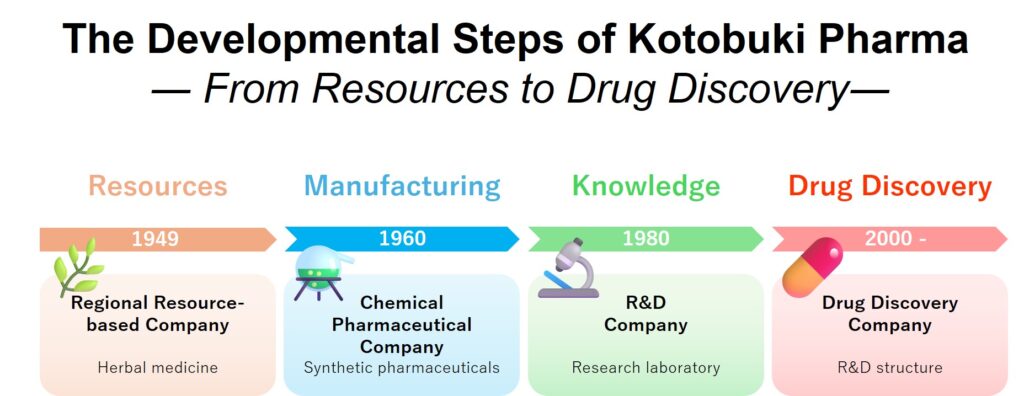
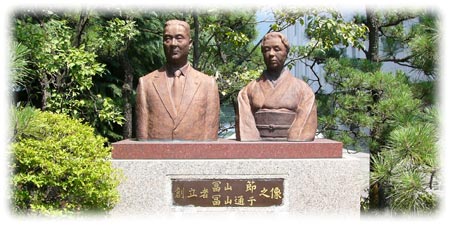
・Based on “Kotobuki Shokai Limited Partnership,” founded in 1931, in 1947 Misao Tomiyama, who invested 50% in the company and became its representative partner and co-owner, received a license from Nagano Prefecture to manufacture and sell pharmaceuticals and established “Kotobuki Pharmaceutical Co., Ltd.” within the Toyono factory in Nagano City. With this, Kotobuki Shokai began its pharmaceutical business in addition to food manufacturing, marking the official start of the pharmaceutical business that would later develop into “Kotobuki Pharmaceutical Co., Ltd.”
・In the same year, the company joins the Nagano Pharmaceutical Association (located in the Nagano Pharmaceutical Hall) under the trade name Kotobuki Seiyaku Co.and begins business activities.
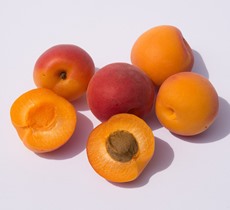
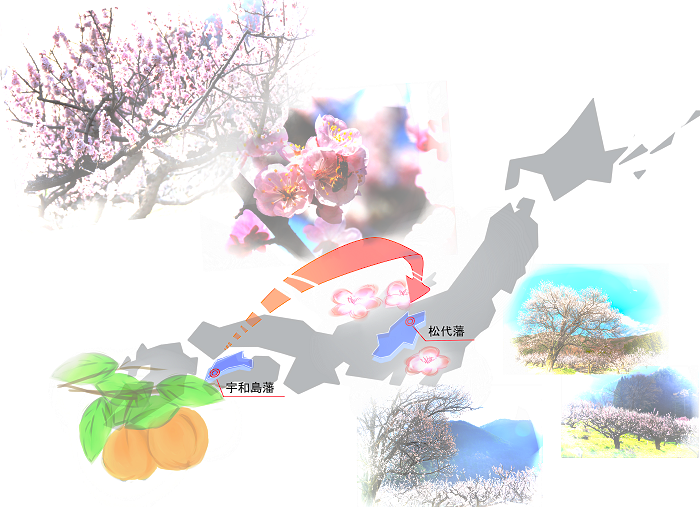
・The limited partnership, Kotobuki Shokai, manufactures products such as apricot jam; it also effectively utilizes apricot kernels—which were previously largely discarded—to produce “Kyonin-sui” (AQUA ARMENIACAE “KOTOBUKI”), an antitussive and expectorant listed in the Japanese Pharmacopoeia.
By cultivating herbal medicines in Nagano Prefecture, the company will also contribute to the preservation of the natural environment and the creation of job opportunities in Nagano Prefecture.
※These initiatives align with the principles of today’s SDGs.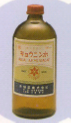
Apricot kernel water : AQUA ARMENIACAE “KOTOBUKI”
・Kotobuki Pharmaceutical Co., Ltd. is registered as a corporation (capital of 300,000 yen).
・Misao Tomiyama took office as president.
・Aiming to develop the crude drug industry by leveraging Nagano Prefecture’s abundant medicinal plant resources, we joined the “Nagano Prefecture Crude Drug Promotion Committee” and served as a founding member of the “Sakaki Medicinal Plant Association”.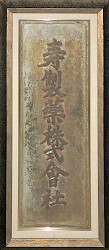
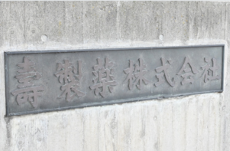
Company nameplate at the time of establishment
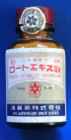
Lotus extract: EXTRACTUM SCOPOLIAE “KOTOBUKI”
・Moved the head office to 6351, Sakaki, Sakaki-machi.
・【Transformation of business from crude drugs to synthetic chemical pharmaceuticals.】A new “API plant with reinforced slate roof” will be built adjacent to the head office and the crude drug formulation plant for the production of chemically synthesized drugs.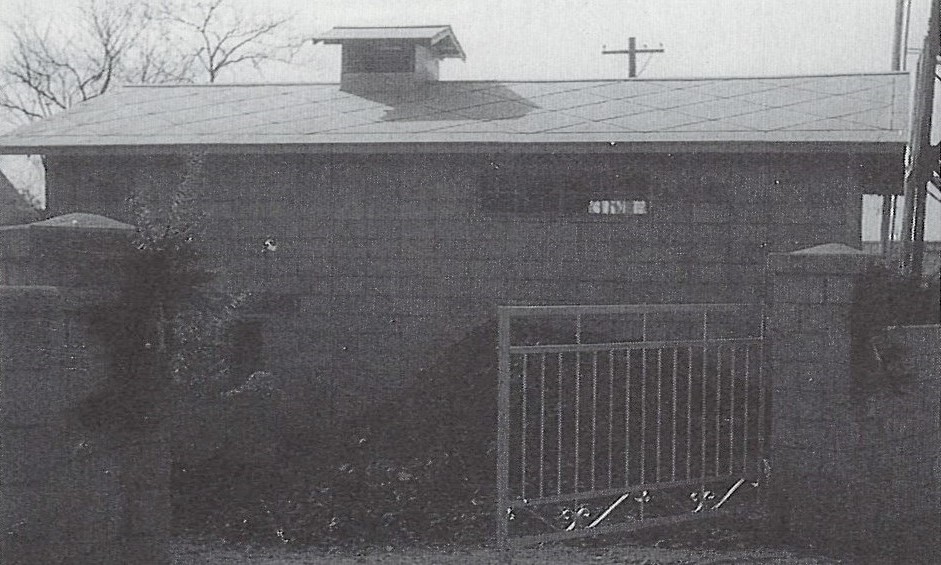
Exterior view of API plant
・At that time, against a backdrop of efforts to reduce reliance on imports and conserve foreign currency, initiatives were underway to foster the domestic pharmaceutical industry and localize the production of expensive foreign drugs. Under the manufacturing method patent system, we took on the challenge of localizing the production of foreign drugs.
・This experience—in which we were required to achieve quality equal to or exceeding that of imported products—laid the foundation for our company’s later “Quality Culture.”
・Opened Osaka Office.
・Begins production and sales of “Buformin Hydrochloride” for the first time as a chemically synthesized drug.
・Begins production and marketing of ”Clofibrate”, the first domestically produced ”Clofibrate”.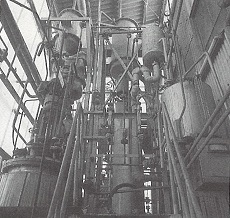
Clofibrate production facilities
・Begins production and marketing of protoporphyrin disodium and exports to Taiwan, South Korea and other overseas markets.
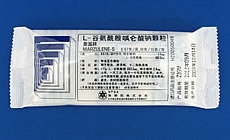
・Launched Gastritis, Gastric ulcer, duodenal ulcer therapeutic agent MARZULENE-S GRANULES in Japan.
(Activate drug discovery research on azulenes of Japanese origin)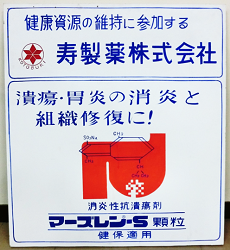
Advertisement at the time of release
・QVF reactor introduced.
・Completion of the first stage construction of Research Laboratory.
・Completion of pharmacy plant based on GMP (Good Manufacturing Practice).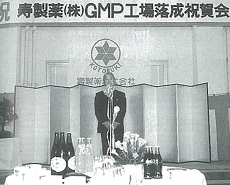
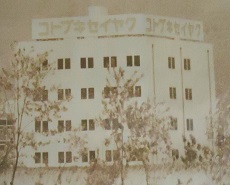
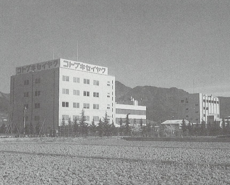
Panoramic view of the head office
・Completion of the second stage construction of Research Laboratory.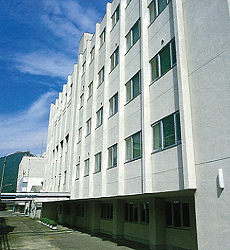
・Introduced high-speed automatic continuous packaging machine and continuous granulation dryer.
・Completion of research facilities of Radio Isotope.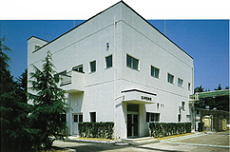
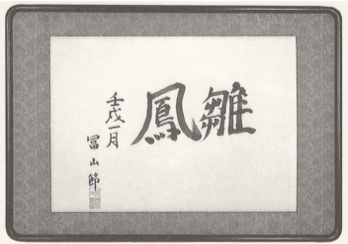
・Founding 40th anniversary commemorative magazine “Housu” published.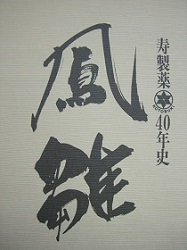
・Our research paper published for the first time in Journal of Medicinal Chemistry.
・Completion of the second pharmacy plant based on GMP.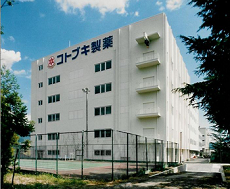
・Research paper published for the first time in Bioorganic & Medicinal Chemistry Letters, a journal of the Elsevier’s.
・Kotobuki Pharmaceutical was selected as one of the referees for submitted papers in Elsevier’s “Bioorganic & Medicinal Chemistry Letters.”
・Launched Gastritis, Gastric ulcer, duodenal ulcer therapeutic agent MARZULENE-S GRANULES in India.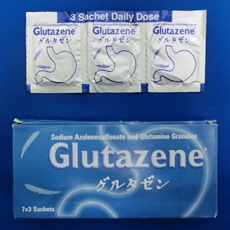
・Launched new Gastric ulcer therapeutic agent AZULOXA GRANULES (Egualen Sodium) in Japan.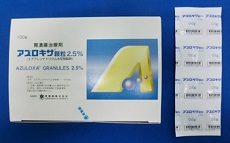
・Introduced external lubricant spray device.
・Launched Gastritis, Gastric ulcer, duodenal ulcer therapeutic agent MARZULENE ES TABLETS (Dosage form addition) in Japan.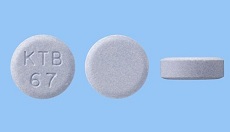
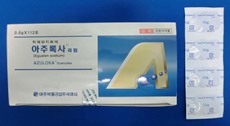
・We performed an invitation lecture of cholesterol absorption repressor KT6-971 of the new development product in CHINESE ACADEMY SCIENCES.
・Gastric ulcer therapeutic agent AZULOXA TABLETS 15mg in Japan.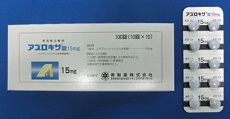
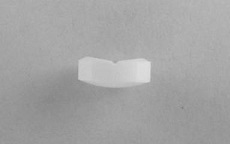
・Released “Karate Tablet” in Japan, which is easy to crack with fingers and has high division accuracy.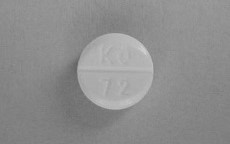
・Joint development Agreement of Cholesterol absorption inhibitor, KT6-971,with Shionogi & Co.,Ltd. 
・Co-marketing of “MARZULENE S GRANULES”, “MARZULEN COMBINATION TABLETS 1.0ES”, “0.5ES”, “0.375ES”, “AZULOXA GRANULES 2.5%” and “AZULOXA TABLETS 15mg” for gastritis and peptic ulcer treatment, with Ajinomoto Co., Inc.
・Hiroshi Tomiyama took office as president.

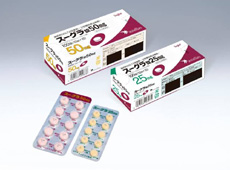
Selective SGLT2 Inhibitor “Suglat Tablets 25mg, 50mg (Suglat, Ipragliflozin L-Proline)”
Drug combining selective DPP-4 inhibitor and selective SGLT2 inhibitor “SUJANU Combination Tablets (SUJANU, Sitagliptin phosphate hydrate, Ipragliflozin L-Proline)”
・Approved for manufacturing and sales in Japan, and the drug price is listed and released.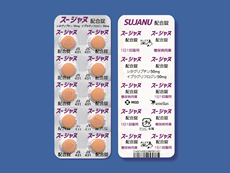
FLT3 Inhibitor “XOSPATA 40mg Tablets (XOSPATA, Gilteritinib)”
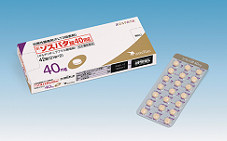
・Relocation of Tokyo Office.
・Research on Kawara OD Tablets®, which uses our unique formulation technology, was selected for the 2021 Nagano Prefecture Pharmacists Association Research Grant 21.
・FY2021 “Nagano Prefecture Pharmacists Association Research Grant 21: Voices of Joy from Award Winners (Representative Director and President Yasushi Tomiyama)” was published in the Nagano Prefecture Pharmaceutical Journal “Rindo”.
・Released Tramadol Hydrochloride OD Tablets 25mg/50mg “KO” in Japan.
This product is our “Kawara OD Tablets®”.
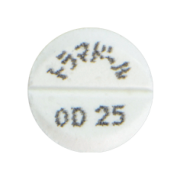
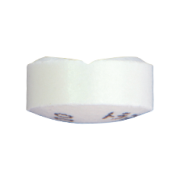
・Tramadol Hydrochloride OD Tablets 25mg/50mg “KO” for the Treatment of Cancer and Chronic Pain
Recipient of the Encouragement Award for Invention at Kanto Region Local Commendation for Invention, organized by the Japan Institute of Invention and Innovation (JIII)
Title of Innovation: Miniaturized Oral Tablet Designed for Water-Free Administration
・We began marketing its own single agent for “MARZULENE S GRANULES”, “MARZULEN COMBINATION TABLETS 1.0ES”, “0.5ES”, “0.375ES”, “AZULOXA GRANULES 2.5%” and “AZULOXA TABLETS 15mg” for gastritis and peptic ulcer treatment.